Why Are You Hungry Again an Hour After Breakfast? The Real Reasons (Not Just 'Eat More Protein')
Quick Answer: Being hungry an hour after breakfast usually means a blood sugar spike-and-crash from a high-glycemic meal, not true caloric hunger. The fix is rebalancing macros — protein, fat, and fiber all slow glucose absorption — rather than just eating a bigger portion.
You had cereal, or toast and jam, or a smoothie that seemed healthy. An hour later your stomach is growling like you skipped breakfast entirely. That’s not your body being dramatic — it’s a specific, common pattern with a specific fix.

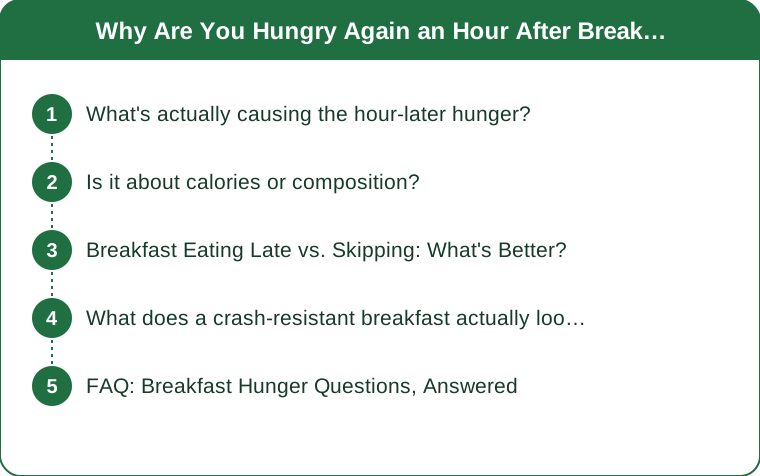
What’s actually causing the hour-later hunger?
A glucose spike-and-crash. Refined carbs (white toast, sugary cereal, most fruit smoothies without protein) digest fast, spike blood sugar quickly, and trigger a strong insulin response that overshoots — dropping blood sugar below where it started.
That drop is what your brain reads as urgent hunger, often stronger than the hunger you felt before eating at all. It’s a hormonal signal, not a willpower failure.
Is it about calories or composition?
Composition, in most cases. A 400-calorie bowl of sugary cereal and a 400-calorie plate of eggs and avocado hit your blood sugar completely differently — same calories, opposite hunger outcome an hour later.
The three things that slow glucose absorption and prevent the crash: protein (aim 20-30g), fat (healthy sources — avocado, nuts, olive oil), and fiber (vegetables, whole grains, seeds). A breakfast missing all three is the highest-risk pattern for the hour-later crash.

Breakfast Eating Late vs. Skipping: What’s Better?
Neither is inherently wrong, but they solve different problems. Eating late (say, 10-11am) works well if you’re not genuinely hungry earlier and it doesn’t derail lunch timing.
Skipping entirely works for some people practicing intermittent fasting, but if you find yourself ravenous and reaching for whatever’s fastest by 11am, that’s a sign your body needed the earlier fuel — skipping just delayed the crash pattern, not prevented it.
What does a crash-resistant breakfast actually look like?
A few concrete examples, not just ‘add protein’:
- 2-3 eggs + vegetables + 1 slice whole grain toast — roughly 25g protein, fiber, some fat
- Greek yogurt (20g+ protein) + berries + 1 tbsp nut butter — protein, fiber, healthy fat in one bowl
- Overnight oats made with milk or Greek yogurt, chia seeds, and nut butter — the chia and nut butter are what separate this from a crash-prone oatmeal
Avoid pairing juice with any of these — liquid sugar spikes glucose fastest of anything on a breakfast table.
FAQ: Breakfast Hunger Questions, Answered
Is it normal to be hungry 3-4 hours after breakfast?
Yes — that’s a normal digestion timeline. Hunger at 60-90 minutes is the pattern worth addressing.
Does coffee make the crash worse?
It can. Caffeine alone can mildly raise blood sugar and stress hormones, which may sharpen the eventual drop — pairing coffee with a balanced breakfast rather than drinking it on an empty stomach helps blunt this.
Could this be a sign of something else, like blood sugar regulation issues?
Occasional crashes from sugary meals are common and not usually concerning. But if it happens even with balanced, protein-rich meals, or comes with shakiness, dizziness, or sweating, that’s worth mentioning to a doctor — this is general information, not medical advice.
TL;DR:
- Hunger an hour after eating is usually a glucose spike-and-crash, not true caloric need
- Protein (20-30g) + fat + fiber together slow absorption and prevent the crash
- Composition matters more than calorie count for this specific problem
- Recurring crashes even on balanced meals are worth a doctor conversation
Swap one breakfast this week for a protein-forward version and compare how 9am feels — the difference is usually obvious within a day or two.
Keep Reading
This article is for general informational purposes only and is not medical advice. Always consult a qualified health professional for guidance specific to you.