Why Your 'Healthy' Breakfast Is Giving You a 10am Energy Crash
Quick Answer: A mid-morning crash after a ‘healthy’ breakfast usually means the meal was high in fast-digesting carbs (juice, most cereals, plain oatmeal, white toast) without enough protein or fiber to slow the resulting blood sugar spike and drop. Adding roughly 20-30g of protein and some fiber to the same meal usually flattens the crash.
Oatmeal, fruit, granola — every ingredient sounds like a health-conscious choice, and you’re still hitting a wall by 10am regardless. That’s not a willpower or sleep problem necessarily; it’s a common blood sugar pattern hiding behind ingredients that look healthy in isolation.

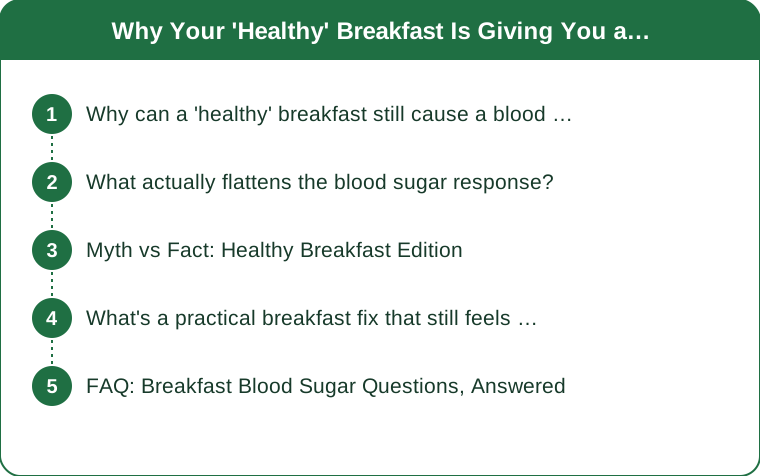
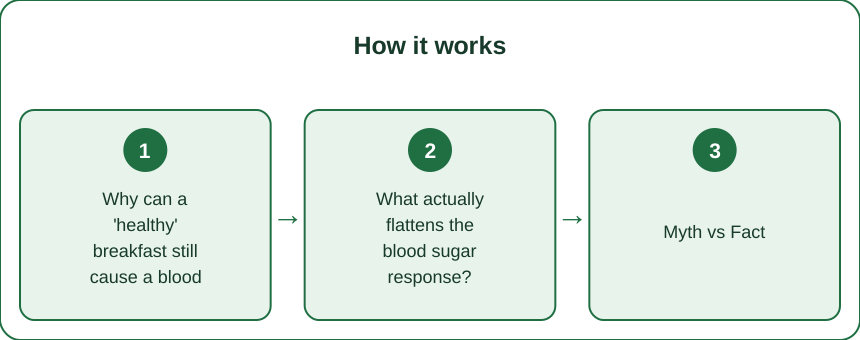
Why can a ‘healthy’ breakfast still cause a blood sugar crash?
Many breakfast staples marketed as healthy — plain oatmeal, granola, fruit smoothies, white or whole wheat toast with jam — are still primarily fast-digesting carbohydrates without much protein or fat to slow absorption. That combination causes a rapid blood sugar rise, followed by an equally rapid drop roughly 2-3 hours later, which shows up as the classic mid-morning crash: fatigue, brain fog, sudden hunger.
‘Healthy’ in the sense of whole-food ingredients doesn’t automatically mean ‘blood-sugar-stable’ — those are two different qualities of a meal.
What actually flattens the blood sugar response?
Protein and fiber, added to the same meal, both slow digestion and blunt the speed of the resulting blood sugar spike. Roughly 20-30g of protein at breakfast (eggs, Greek yogurt, cottage cheese, a protein-boosted smoothie) is a commonly cited effective target for noticeably reducing crash severity, alongside 5g+ of fiber from whole fruit, vegetables, or whole grains rather than juice or refined cereal.
The combination matters more than either alone — a high-protein breakfast with very little fiber, or vice versa, still crashes more than one with both.

Myth vs Fact: Healthy Breakfast Edition
Myth: Fruit juice counts the same as whole fruit for breakfast. Fact: Removing fiber (as juicing does) speeds sugar absorption dramatically — whole fruit causes a meaningfully slower, gentler rise.
Myth: Any breakfast is better than skipping breakfast for energy stability. Fact: A high-sugar, low-protein breakfast can produce a worse energy crash than a well-composed lunch eaten as the first meal of the day.
Myth: Granola and ‘whole grain’ labels guarantee a stable blood sugar response. Fact: Many granolas carry significant added sugar alongside the whole grain content, undercutting the fiber benefit with a fast-digesting sugar load.
What’s a practical breakfast fix that still feels normal to eat?
Add a protein source to whatever you’re already eating rather than overhauling the whole meal: Greek yogurt or an egg alongside oatmeal, nut butter on whole-grain toast instead of jam alone, or a protein source blended into a smoothie rather than fruit and juice alone.
Aiming for the 20-30g protein plus whole-food fiber combination, rather than switching to an entirely different breakfast style, is usually the fastest and most sustainable fix.
FAQ: Breakfast Blood Sugar Questions, Answered
Does coffee make the crash worse?
Caffeine can temporarily mask early fatigue signs, which sometimes makes the eventual crash feel sharper once it hits — pairing coffee with a protein-forward breakfast reduces this effect.
Is intermittent fasting a fix for this pattern?
It sidesteps the specific breakfast-crash pattern by delaying the first meal, but the same principle (protein and fiber with your first meal) still applies whenever you do eat.
How quickly does adding protein to breakfast usually help?
Many people notice a difference within a few days of consistently adding 20-30g of protein to breakfast — it’s a fast-acting fix relative to most dietary changes.
TL;DR:
- Many ‘healthy’ breakfasts are still fast-digesting carbs without enough protein or fiber
- That combination causes a rapid blood sugar rise followed by a crash roughly 2-3 hours later
- Add 20-30g protein and 5g+ fiber from whole foods to flatten the response
- Whole fruit, not juice, and modified existing meals (not a full overhaul) are the fastest fix
Add one protein source to tomorrow’s breakfast and notice whether the 10am crash changes.
Keep Reading
This article is for general informational purposes only and is not medical advice. Always consult a qualified health professional for guidance specific to you.